This Is Your Brain On Nostalgia
Nostalgia. That feeling can be described as a longing for the past and an idealized yearning for a better moment in time. Songs can trigger feelings of nostalgia, such as Yesterday by The Beatles or Do You Remember the Time by Michael Jackson. Nostalgia, it appears, is a complex phenomenon that’s recently been getting a lot of attention and it’s not at all negative. Nostalgia involves several different psychological processes according to cognitive neuroscience and can actually be beneficial to you. Nostalgia activates different parts of the brain, such as the region involved in self-reflection, autobiographical memory, emotion regulation, and reward processing.
The brain regions involved in nostalgia’s self-reflection are the medial prefrontal cortex, posterior cingulate cortex, and precuneus. In autobiographical memory, the brain regions involved are the hippocampus, medial prefrontal cortex, posterior cingulate cortex, and precuneus. In emotion regulation, the areas involved are the anterior cingulate cortex and the medial prefrontal cortex. In reward processing it is the striatum, substantia nigra, ventral tegmental area, ventromedial prefrontal cortex. Nostalgia protects against psychological and physical threats from its involvement in emotional regulating processes. Although some memories can trigger feelings of sadness and longing, often nostalgia also triggers feelings of warmth, comfort and connectedness.
What does Nostalgia do?
Nostalgia helps to provide a sense of connectedness with others. This sense of connectedness helps to establish meaning in one’s life; it provides optimism and inspiration. It gives the self a feeling of continuity and revisiting the past helps to reinforce a person’s sense of identity. Looking at a timeline of events, studies pursued and accomplishments and experiences over the years can help to reinforce a person’s chosen path, which is a major part of their identity.
Nostalgia helps to Overcome Trauma
Nostalgia can help to enhance coping skills after experiencing trauma by enhancing emotional regulation, coping skills, and resilience. It can promote personal growth following trauma. It can enhance well-being and reduce feelings of distress. Survivors of abuse or loss such as the death of a loved one, divorce or natural disasters can lead to trauma and Post Traumatic Stress Disorder. Nostalgia can be very comforting to trauma survivors as it helps them to connect to pleasant uplifting memories. It provides emotional comfort, continuity, and meaning. It can promote healing following trauma.
Nostalgia can come to your Emotional Rescue
The experience of trauma can trigger feelings of isolation, helplessness, and loss of meaning. Nostalgia can come to your emotional rescue by helping to focus on better times in one’s life history. Revisiting moments of happiness and belonging, a sense of emotional security is re-established. Nostalgic recollection promotes feelings of social connectedness, increases feelings of self-worth, and a happier mood overall.
Nostalgia and the Rubber Band Effect
Nostalgia can help people bounce back faster from setbacks and trauma, and adversity. Nostalgia helps people maintain a solid sense of identity and meaning during heightened times of stress or during or following trauma. Remembering supportive relationships, personal strengths, and meaningful life events, nostalgia helps to re-establish a sense of purpose and identity.
Nostalgia can be Maladaptive
This can happen if overidealizing the past leads to avoidance and disconnection of the present moment. Avoiding the present moment is never a good thing as life is now and not yesterday. Focusing too much on the past and neglecting the present moment is an unhealthy thing to do for one’s psychological well-being.
Mindfulness Combined with Nostalgia
Nostalgia and meditation and mindfulness practice can be used to complement each other to promote healing and personal growth following trauma. Combined, these practices promote healing and staying anchored in the present moment without avoiding life in the here and now. This approach can promote recovery and personal growth.
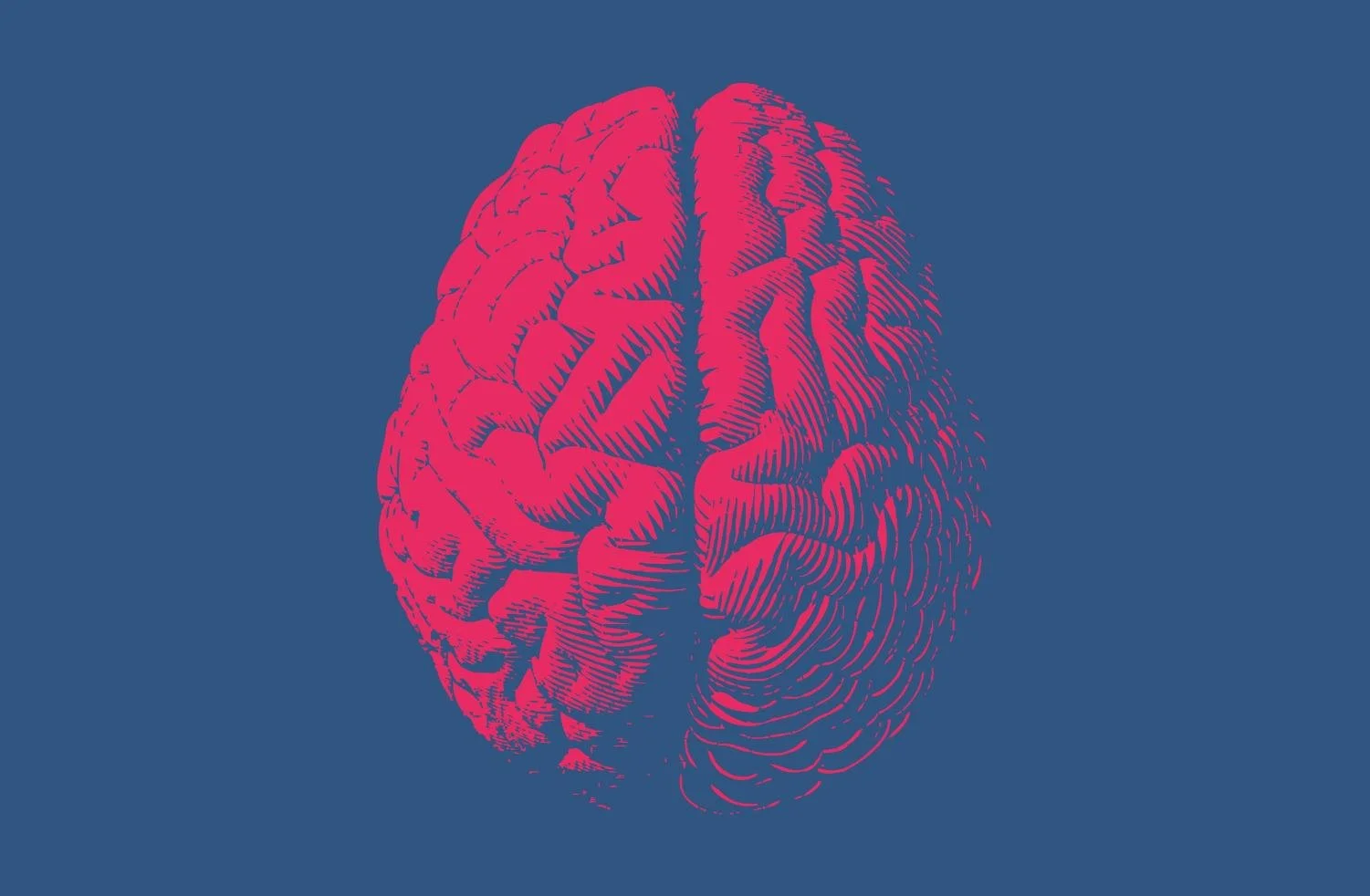
Taking a Walk Down Memory Lane LIGHTS UP DEEP INTERCONNECTED PARTS OF THE BRAIN